Humane Bird and Bat Deterrent Methods for Large Buildings
People searching for humane bird and bat deterrent methods for large buildings aim to safely prevent pest roosting, and local service providers can help implement effective, humane solutions.
If you own or manage a large building, understanding humane bird and bat deterrent methods is essential for maintaining a safe and pest-free environment. Birds and bats can sometimes become a nuisance, causing damage or health concerns, especially when they roost in large structures. Exploring effective, humane strategies can help property owners prevent unwanted wildlife from settling in, without causing harm. This is where experienced local service providers come into play, offering practical solutions tailored to the unique needs of large buildings in the area. Keep reading to discover how these professionals can assist in implementing effective bird and bat deterrent methods that respect wildlife while protecting your property.
Choosing the right approach to humane bird and bat deterrent methods for large buildings involves understanding both the behavior of these animals and the specific features of your property. Local contractors who specialize in wildlife deterrence can evaluate your building’s structure and recommend humane techniques that discourage roosting and nesting. These methods often include physical barriers, visual deterrents, or other non-lethal solutions designed to prevent wildlife from settling in. By connecting with experienced service providers, property owners can find practical, effective ways to manage wildlife issues while upholding humane standards-making it easier to maintain a safe, pest-free environment for everyone.
- Humane bird and bat deterrent methods for large buildings are often needed when pests are causing damage or safety concerns, and local contractors utilize humane exclusion and deterrent techniques to resolve these issues. Humane bird and bat deterrent methods for large buildings are sought when roosting or nesting birds and bats threaten building integrity, with service providers applying non-lethal, humane solutions tailored to the structure. Humane bird and bat deterrent methods for large buildings become necessary when pest activity disrupts business operations or creates health hazards, with local experts implementing humane barriers and deterrents to encourage pests to relocate. Humane bird and bat deterrent methods for large buildings are requested in cases of persistent pest presence that requires ongoing humane management, with specialists designing customized approaches to prevent future infestations. Humane bird and bat deterrent methods for large buildings are commonly needed when existing deterrents fail, and local service providers employ humane, effective strategies to ensure pests are safely kept away from the building.
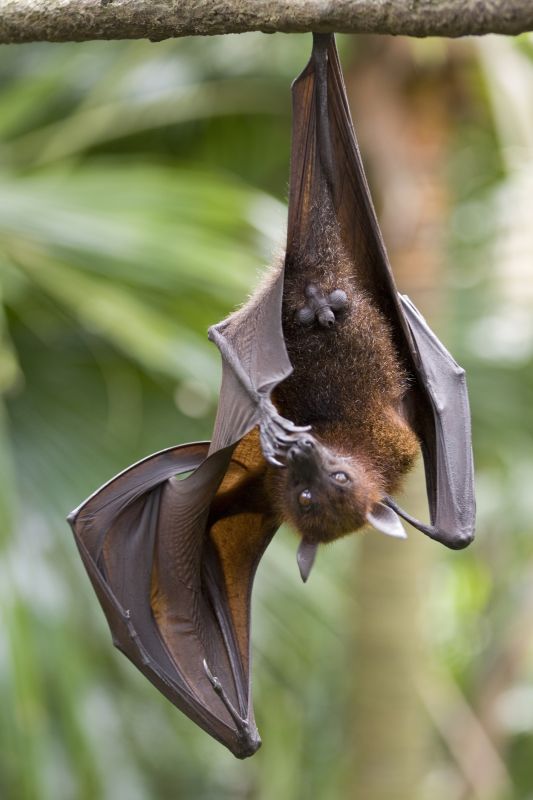
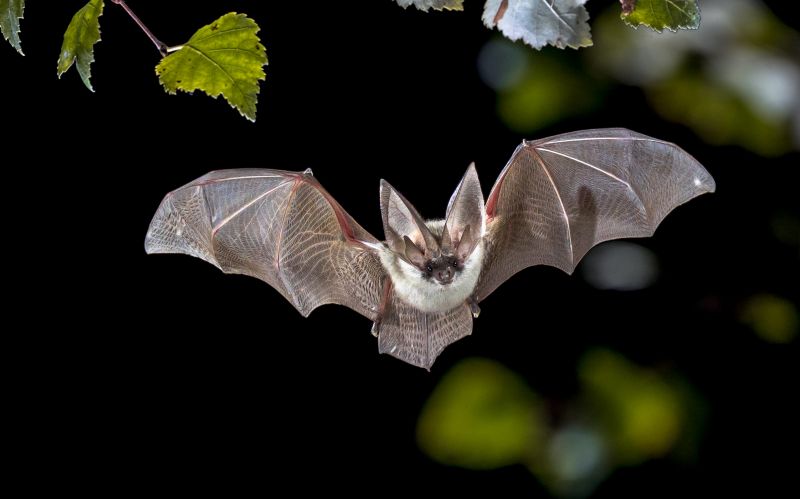
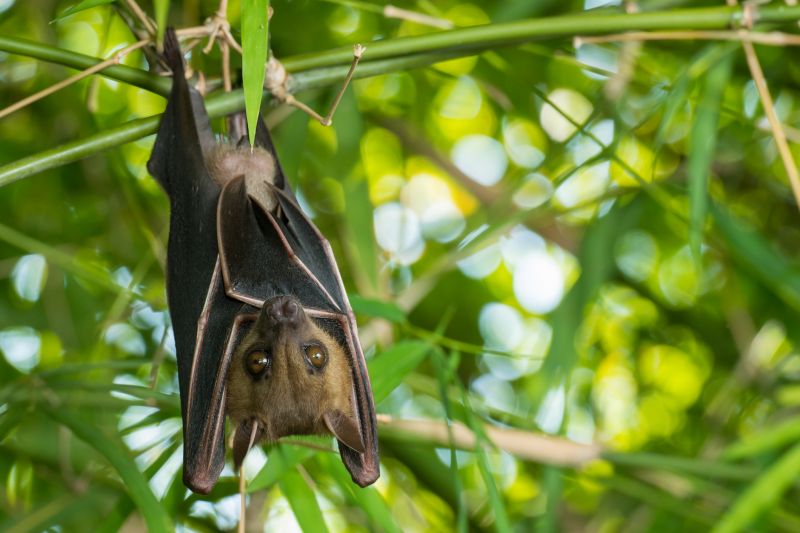
When searching for information about humane bird and bat deterrent methods for large buildings, most people are looking for ways to prevent birds and bats from roosting or nesting in unwanted areas without causing harm. Large buildings, such as commercial complexes, warehouses, or institutional structures, often attract these animals due to their size and available shelter. Property owners and managers typically want effective solutions that protect the building’s integrity and avoid damage caused by bird droppings or bat colonies, while also ensuring the animals are safely deterred. This search often relates to plans for ongoing pest management, building maintenance, or humane exclusion efforts that aim to address these issues in a responsible way.
The problems associated with birds and bats on large buildings can include structural damage, health risks from droppings, and the mess caused by nesting materials. Birds can create large accumulations of droppings that corrode building surfaces and clog gutters, leading to costly repairs. Bats, while beneficial for pest control, can sometimes roost in inaccessible parts of a building, creating noise and potential health concerns due to their droppings and presence. Property owners often seek plans that incorporate humane deterrent methods to keep these animals away without harming them, aligning with ethical considerations and local regulations. Implementing effective strategies requires understanding the specific behaviors of birds and bats, as well as the architecture of the building, which is where experienced service providers come into play.
Properties that typically come up in this context range from commercial office buildings and retail centers to industrial facilities and large-scale residential complexes. These structures often have extensive rooftops, eaves, and ledges that provide ideal nesting or roosting spots. Historical or heritage buildings may also require specialized humane methods to preserve their appearance and integrity. In many cases, property managers or building owners seek out local contractors who specialize in humane bird and bat deterrent methods to develop customized solutions. These professionals assess the property, recommend appropriate exclusion devices, and install deterrents that discourage animals from settling in without causing them harm.
Understanding how humane bird and bat deterrent methods fit into larger property management plans helps property owners make informed decisions. Local service providers offer a range of humane solutions, such as bird netting, one-way doors, and visual or auditory repellents, tailored to each building’s unique features. These methods are designed to prevent animals from gaining access or settling into unwanted areas, reducing damage and mess while respecting animal welfare. For homeowners or property managers, working with experienced local contractors ensures that the chosen deterrent strategies are effective, compliant with regulations, and aligned with ethical standards. Connecting with the right service providers can make managing bird and bat issues on large buildings more straightforward and humane.
Bird exclusion projects involve installing physical barriers and deterrents on large buildings, requiring planning and the use of specialized tools similar to humane bird and bat deterrent methods for large buildings.
Wildlife habitat modification focuses on altering building surroundings to prevent roosting and nesting, aligning with the skills used in humane bird and bat deterrent strategies.
Façade pest management includes humane methods to deter pests and nuisance animals from building exteriors, sharing techniques applicable to humane bird and bat deterrent approaches.
Urban wildlife control services address humane removal and deterrence of birds and bats in city environments, utilizing planning and tools comparable to large building deterrent methods.
Netting and screening installations involve installing physical barriers to protect building openings, a common component in humane bird and bat deterrent projects.
Building sealing and exclusion projects focus on sealing entry points to prevent wildlife access, requiring similar planning and skill sets as humane deterrent methods for large structures.
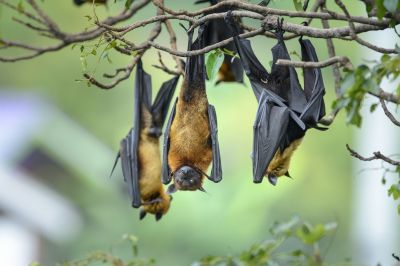
When comparing service providers for humane bird and bat deterrent methods for large buildings, it is important to evaluate their experience with similar projects. A contractor who has successfully handled large-scale bird and bat exclusion efforts will be more familiar with the unique challenges these structures present. This experience can translate into more effective solutions and fewer surprises during the project. Asking for examples of past work or references related to large building deterrent projects can provide insight into their familiarity with the scope and complexity involved.
Clear, written expectations are essential when choosing a local contractor for humane bird and bat deterrent methods. A reputable service provider should be able to outline the scope of work, the methods they plan to use, and the expected outcomes in a straightforward manner. This transparency helps ensure that both parties are aligned on project goals and responsibilities. Well-defined expectations also serve as a foundation for evaluating the quality of work and for resolving any potential misunderstandings that may arise during the process.
Effective communication and reputable references are key indicators of a reliable service provider. Good communication involves timely responses, clarity in explaining procedures, and openness to addressing questions or concerns. Additionally, obtaining references from previous clients who have engaged the same contractor for large building deterrent projects can offer valuable perspectives on their professionalism, reliability, and ability to deliver results. Choosing a local contractor with strong communication skills and positive references can help ensure the project proceeds smoothly and meets the specific needs of the building.
Property owners often search for humane bird and bat deterrent methods for large buildings when they are planning practical projects around their homes and businesses. Local pros provide Humane Bird and Bat Deterrent Methods services for everyday jobs and straightforward project options.
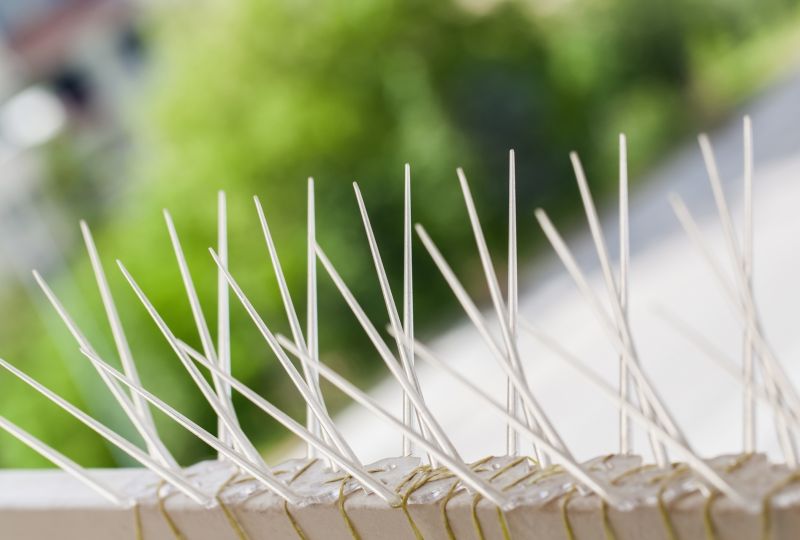

Many property owners in the area may find themselves dealing with birds or bats roosting on large buildings, which can lead to issues such as property damage, health concerns, or unwanted noise. Searching for humane bird and bat deterrent methods for large buildings often arises from a desire to address these problems effectively while avoiding harmful or disruptive solutions. Local service providers specializing in humane bird and bat deterrent methods can offer practical options that help manage wildlife presence responsibly, ensuring buildings remain safe and compliant with local regulations.
For those considering humane deterrent methods, understanding the available options and how they can be implemented is important. Local contractors experienced in humane bird and bat deterrent methods can evaluate building structures and recommend strategies like exclusion devices or visual deterrents that discourage wildlife from settling in. Engaging with these specialists can provide peace of mind that the approach is both effective and respectful of the animals, making it easier to maintain the integrity of large buildings while addressing wildlife concerns humanely.
What are humane bird and bat deterrent methods for large buildings? Humane bird and bat deterrent methods for large buildings include installing physical barriers, visual deterrents, and acoustic devices that discourage roosting without causing harm.
How do local service providers implement humane bird and bat deterrent solutions? Local contractors assess building structures and implement humane deterrent methods such as netting, spikes, or motion-activated devices to prevent birds and bats from nesting.
Are humane deterrent methods effective for large buildings? When properly installed by experienced service providers, humane deterrent methods can be effective in reducing bird and bat presence on large buildings without harming the animals.
What types of humane deterrent devices are commonly used for large buildings? Common devices include bird spikes, netting, visual scare devices, and sound deterrents designed to discourage birds and bats humanely.
Can local service providers customize humane bird and bat deterrent strategies for different buildings? Yes, service providers can tailor deterrent methods based on building design, location, and the specific species involved to ensure effective and humane results.
Bird and Bat Deterrent Device Installation - Property owners can work with local contractors to install humane deterrent devices that discourage birds and bats from roosting on large building exteriors.
Repellent Application Strategies - Local service providers can apply humane repellents or visual deterrents to specific areas to prevent bird and bat congregation without causing harm.
Exclusion and Barrier Solutions - Building owners might implement exclusion methods like netting or specialized barriers to block access points, with local pros handling installation safely.
Habitat Modification Projects - Professionals can assist in modifying the surrounding environment to make it less attractive to birds and bats, promoting humane deterrence around large structures.
If you are thinking about humane bird and bat deterrent methods for large buildings for a property, this guide is meant to help you understand this topic, the typical project types, and how different options might fit your plans.
When you are ready, you can use the quote form on this page to share a few details about your project. From there, local pros can review the basics and follow up with options that match what you have in mind.