Termite Tenting in Naperville, IL
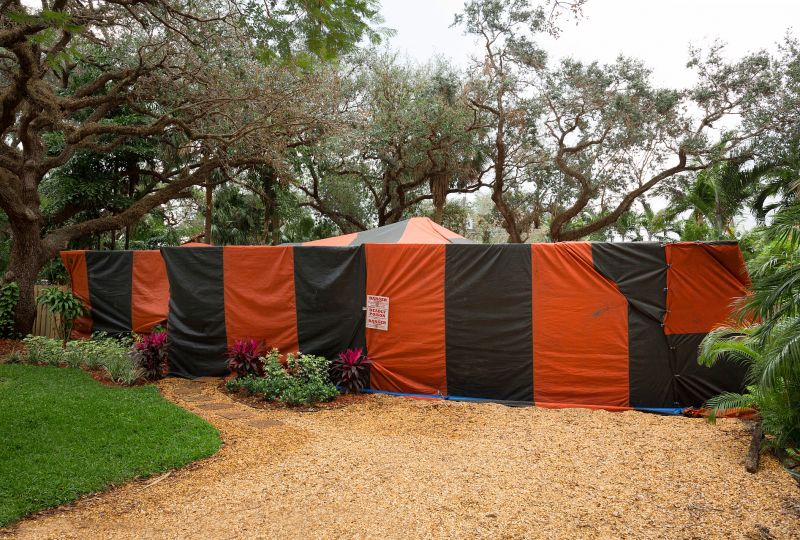
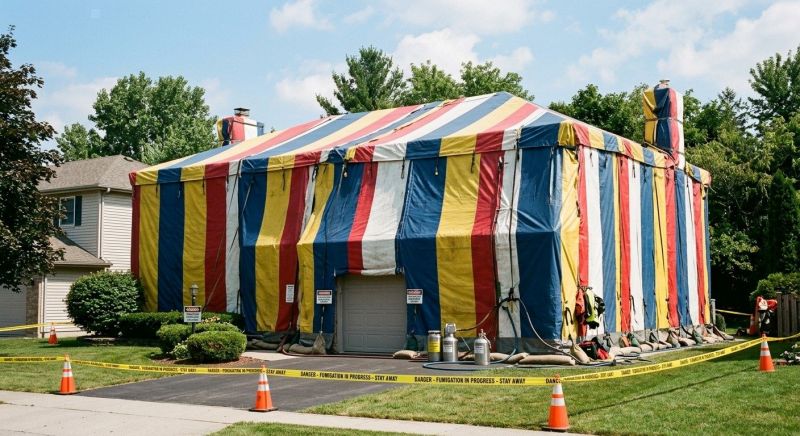
Termite tenting services involve the strategic application of a gas treatment to eliminate termite colonies within a property. This process typically covers extensive infestations in residential homes, including wall voids, flooring, and other structural areas where termites may hide. Homeowners considering this service should understand that it is often used for severe infestations or when other treatment methods have proven ineffective, ensuring a thorough eradication of termites throughout the property.
Before requesting termite tenting, property owners usually want to know about the preparation requirements, such as removing or covering food, plants, and pets, and the potential impact on household belongings. It is also important to understand the duration of the treatment process and any necessary post-treatment precautions. Clarifying these details helps ensure the property is properly prepared and that residents can safely return to the space once the treatment is complete.
Many property owners in Naperville, IL look into Termite Tenting for repairs, replacements, upgrades, and appearance-related improvements.
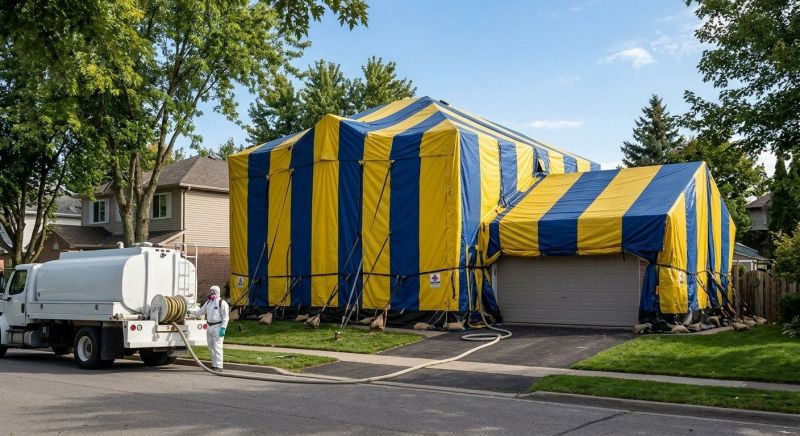
Termite Tenting Services
Examples of termite tenting work property owners may explore in naperville, il.
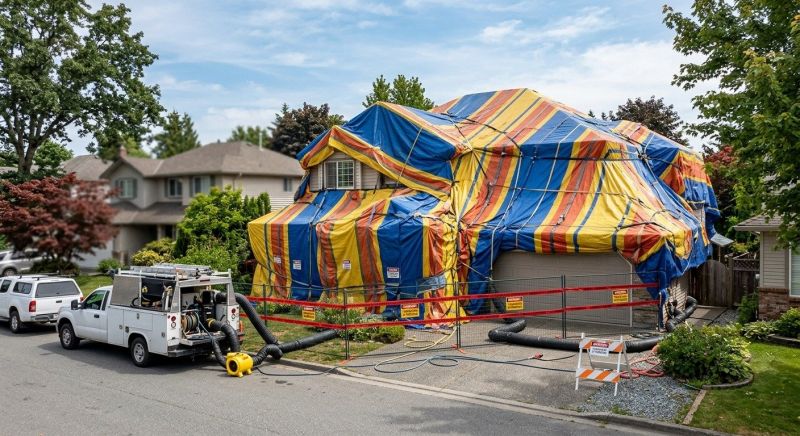
Termite Tenting Updates
Common ways people refresh, improve, or restore termite tenting features in naperville, il.
Termite Tenting Options
Different styles, layouts, and finishes people consider for termite tenting in naperville, il.
Termite Tenting in Naperville, IL
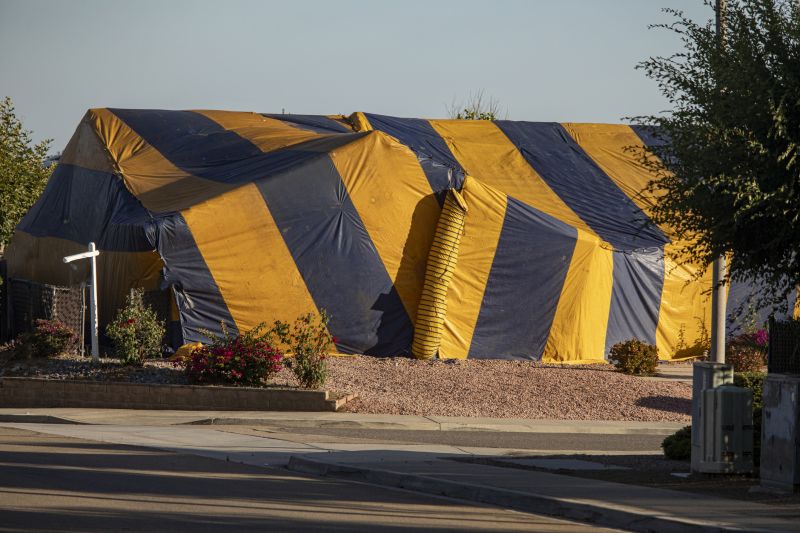
Termite tenting services involve the strategic application of a gas treatment to eliminate termite colonies within a property. This process typically covers extensive infestations in residential homes, including wall voids, flooring, and other structural areas where termites may hide. Homeowners considering this service should understand that it is often used for severe infestations or when other treatment methods have proven ineffective, ensuring a thorough eradication of termites throughout the property.
Before requesting termite tenting, property owners usually want to know about the preparation requirements, such as removing or covering food, plants, and pets, and the potential impact on household belongings. It is also important to understand the duration of the treatment process and any necessary post-treatment precautions. Clarifying these details helps ensure the property is properly prepared and that residents can safely return to the space once the treatment is complete.
Many property owners in Naperville, IL look into Termite Tenting for repairs, replacements, upgrades, and appearance-related improvements.
Common Termite Tenting Jobs
Termite Tenting Services - Provides a comprehensive treatment to eliminate termites from entire structures.
Homeowner Termite Control - Safeguards homes against future termite infestations through targeted fumigation.
Property Pest Management - Treats both residential and commercial properties to prevent termite damage.
Infestation Elimination - Removes active termite colonies to protect wood structures and foundations.
Fumigation Preparation - Guides homeowners on necessary steps before tenting procedures begin.
Post-Treatment Protection - Offers recommendations to maintain a termite-free environment after service.

Termite Tenting Questions
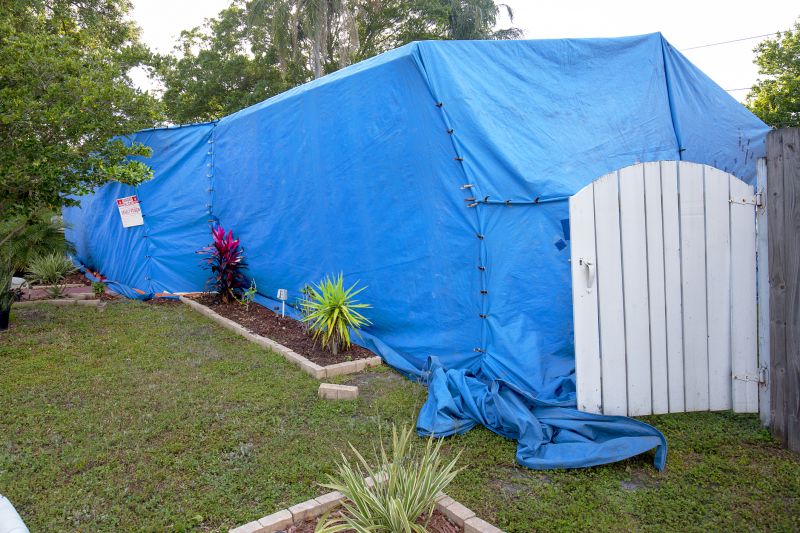
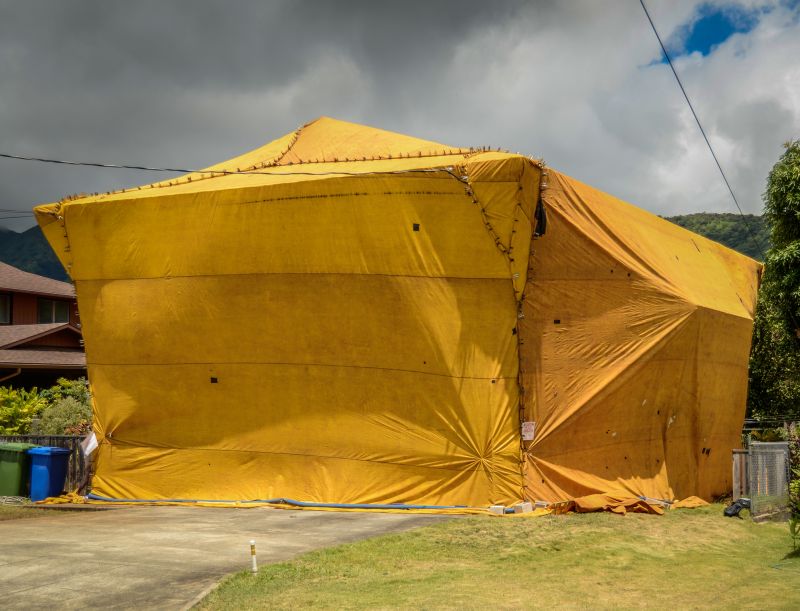
What is termite tenting? Termite tenting involves covering a property with a specialized tarp and releasing gas to eliminate termites throughout the structure.
When is termite tenting recommended? Tenting is typically used when termite infestations are extensive and other treatment methods are not effective.
How should property owners prepare for tenting? Preparation includes removing pets, plants, and food items, and following specific instructions to ensure safety and effectiveness.
Is the property safe to occupy after tenting? The property must be ventilated and cleared of gas before it is safe to re-enter, following the treatment guidelines provided.
Request Termite Tenting in Naperville, IL
Use the quote form on this page to share the basics of your project and request more information for the type of work you need.